
Your Neighbour provides clear, independent daylight and sunlight advice for homeowners and groups of neighbours.
How can a development affect daylight and sunlight?
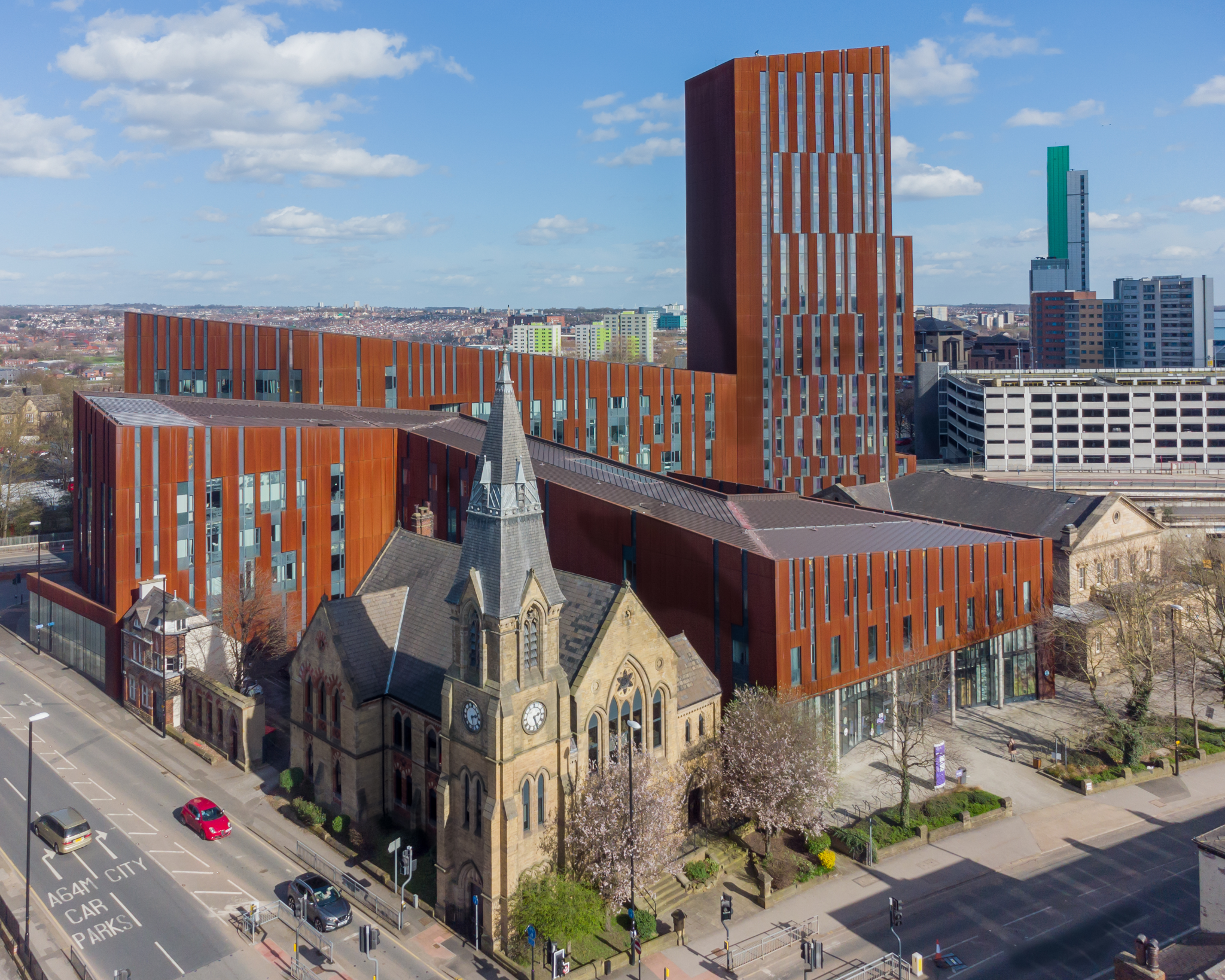
The height, position and design of a new building can affect the natural light reaching neighbouring homes, rooms and gardens. A daylight and sunlight assessment can help show the potential impact of a development. The results need to be considered alongside the proposal, the surrounding buildings and relevant planning policies.
What is a daylight and sunlight assessment?
A daylight and sunlight assessment is a technical report looking at how a development could affect natural light. Reports can contain detailed calculations, tables and diagrams, which can be difficult to interpret. We can help you understand the findings and identify what they mean for your property.
What is BRE daylight and sunlight guidance?
You may see references to BRE daylight and sunlight guidance in a planning application. BRE guidance provides methods for assessing potential changes in natural light, but it’s not simply a pass-or-fail test. The results need to be considered in the context of the development and the wider planning circumstances.
Reviewing a developer’s report
If a developer has submitted a daylight and sunlight assessment, an independent review can help you establish:
- Which properties and windows have been assessed
- What has been measured and how the results have been presented
- What assumptions have been made
- What the findings mean for your property
An independent review doesn’t necessarily mean the developer’s report is wrong. It can help clarify the methodology, findings and any issues that may need further investigation.
Can I object to planning permission because of loss of light?
You may be able to raise concerns about loss of daylight or sunlight as part of a planning application. However, loss of light isn’t necessarily a reason to refuse planning permission. The planning authority will consider the proposal as a whole, including relevant planning policies and other material considerations. We can help you look at the evidence and work out whether loss of light could be grounds for a planning objection.
Rights of light vs daylight and sunlight: Rights of light concern private property rights — whether a legal right exists and whether a development could affect it. Daylight and sunlight in planning concern how a development may affect natural light and how that impact should be considered as part of the planning process. A development can raise one issue, both or neither.
How we can help
- Review a daylight and sunlight assessment
- Make sense of technical findings
- Identify potential issues affecting your property
- Consider whether an independent review may be appropriate
- Identify questions to raise about a planning application
- Provide technical advice for groups of affected neighbours
Daylight and sunlight FAQs
Can a planning application be refused because of loss of daylight?
Potential effects on daylight and sunlight can be relevant to a planning decision. Whether they affect the outcome depends on the evidence, planning policies and the circumstances of the proposal.
Is daylight the same as sunlight?
No. Daylight is natural light from the sky, while sunlight refers to direct sunshine. They are assessed differently.
Can I challenge a developer’s assessment?
You can raise questions about the report and provide relevant evidence to the planning authority. An independent review may help identify areas needing clarification.
Can you help if several homes are affected?
Yes. We can provide advice for groups of neighbours, including help reviewing technical assessments and identifying shared concerns.
Concerned about loss of daylight or sunlight?
You don’t have to work through a developer’s report alone. Tell us about the proposal and your concerns →